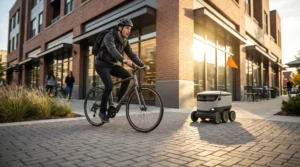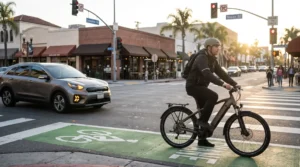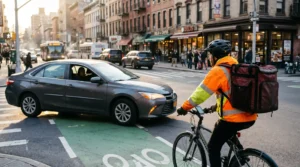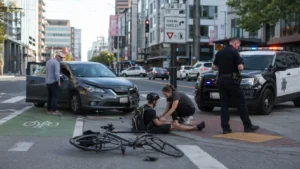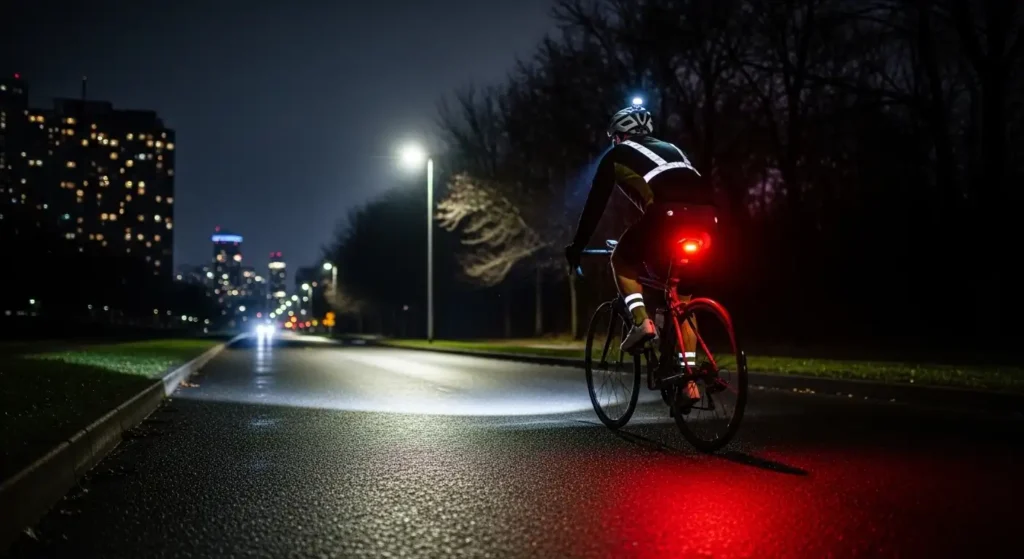
Riding a bicycle at night presents unique challenges that can put cyclists at risk. As the sun sets and daylight fades, visibility decreases, making it harder for both cyclists and drivers to see each other. Unfortunately, while cycling at night offers a cooler and often quieter experience, it also significantly increases the risk of accidents. From poor visibility and distracted drivers to hazardous road conditions, several factors contribute to the heightened danger of night riding. This guide will explore the risks, the common types of accidents cyclists face, safety gear recommendations, and tips to make night cycling safer.
The Increased Risk of Night Riding
Bicycling at night exposes riders to a host of dangers that they may not face during daylight hours. According to a study by the National Highway Traffic Safety Administration (NHTSA), a significant percentage of bicycle accidents occur after dark, with the number of fatalities increasing as night falls. In fact, the NHTSA’s 2023 report revealed that approximately 30% of all cyclist fatalities happen between dusk and dawn.
The primary risks during night riding stem from poor visibility. Cyclists are less visible to drivers, especially if they’re not wearing reflective clothing or using proper lights. On top of that, drivers often don’t expect cyclists to be on the road at night, which leads to an increased likelihood of accidents. Fatigue also plays a role, as cyclists tend to be more tired at night, which can impair their reaction times and decision-making abilities. Additionally, adverse weather conditions like rain or fog, which are common at night, further reduce visibility and traction, making cycling even more dangerous.
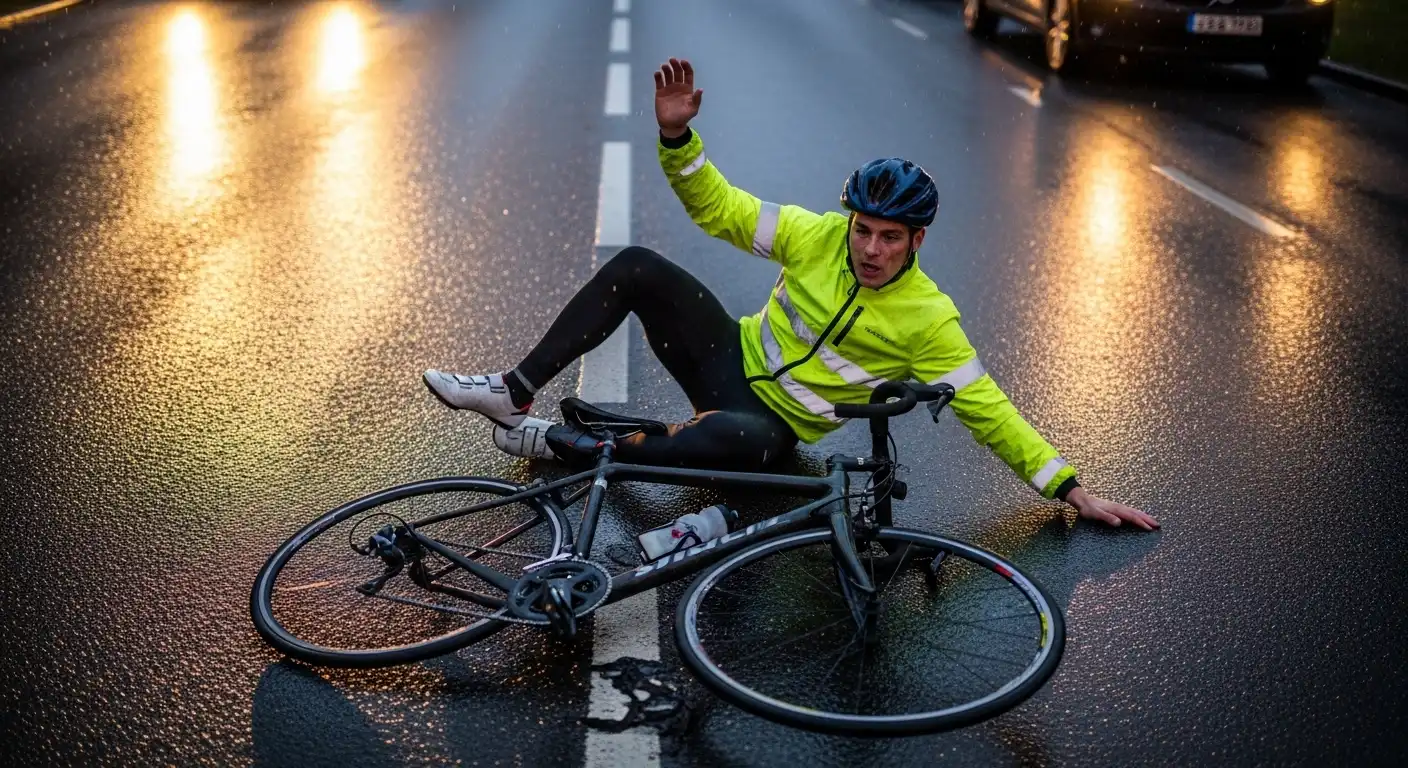
Common Accidents During Night Riding
Night-time bicycle accidents are often caused by a combination of the cyclist’s visibility and the driver’s ability to detect the rider. Some of the most common types of accidents include:
- Collisions with Vehicles: The most prevalent night-time accident involves cyclists colliding with motor vehicles. This happens when drivers fail to notice cyclists due to inadequate lighting or the rider’s lack of visibility. High-speed crashes are especially common on busy roads without proper bike lanes.
- Poor Road Conditions: Riding at night makes it harder to detect hazards on the road, such as potholes, loose gravel, or debris. Riders are more likely to miss these obstacles in the dark, increasing the risk of falling or losing control of the bike.
- Failure to See Pedestrians or Other Cyclists: Cyclists are not the only vulnerable group on the road at night. Pedestrians and other cyclists are also harder to spot, especially when they aren’t wearing reflective gear.
For example, in a recent high-profile case in New York, a cyclist riding without sufficient lighting collided with a car that was unable to see them in time. Tragically, the cyclist suffered severe injuries and required months of recovery. This case highlights the importance of visibility and appropriate safety precautions.
Safety Gear for Night Cycling
Cycling at night requires proper safety gear to reduce the risks of accidents. The following are essential items every cyclist should invest in to enhance their visibility and safety on the road:
- Lights: One of the most important pieces of safety gear for night riding is a high-quality bike light. Cyclists should use both front and rear lights to ensure they’re visible to other road users. White lights should be used at the front, while red lights are ideal for the rear. Make sure your lights are bright enough to be seen from a distance of at least 500 feet.
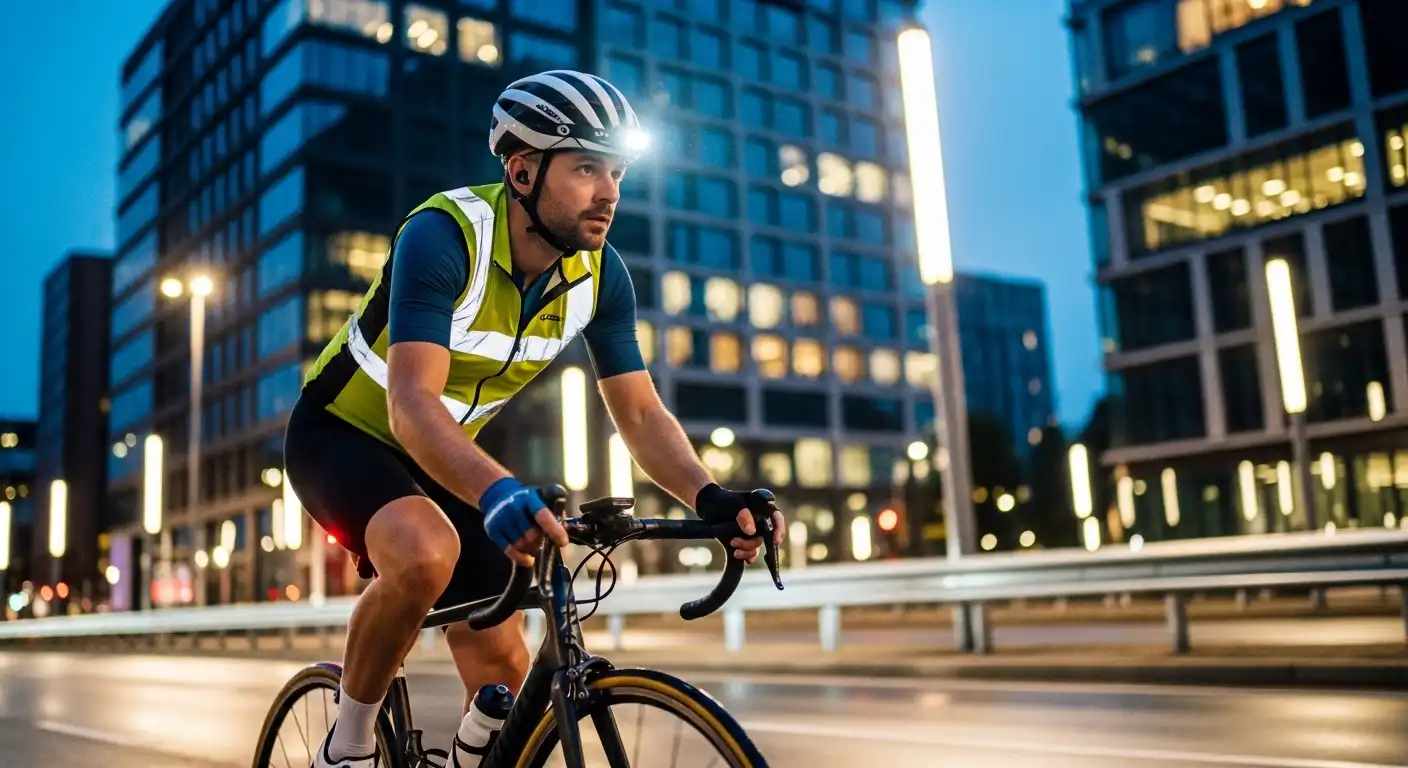
- Reflective Clothing: Wearing reflective clothing or accessories, such as vests, jackets, or arm bands, is a must for night riding. Reflective materials catch the light from vehicles, making you more visible to drivers. Bright colors like neon yellow or orange also help increase visibility.
- Helmet: While helmets are essential for all cyclists, they become even more critical at night. A helmet not only protects your head in case of a fall or crash but also adds an extra layer of visibility, especially if it has reflective elements or LED lights.
- Bike Reflectors: Install reflectors on your bike’s wheels, pedals, and spokes. These reflectors will catch headlights from approaching cars, making you more visible to drivers.
- High-Visibility Gear: Consider adding LED strips to your bike frame, handlebars, or seat. These lights increase your visibility and are particularly useful when cycling in poorly lit areas.
Night Riding Techniques
To further enhance your safety while cycling at night, adopting specific riding techniques is key. Here are some tips:
- Ride in Well-Lit Areas: Try to stick to roads and paths that are well-lit, such as dedicated bike lanes and bike-friendly streets. Avoid dark, poorly lit roads, as they are more dangerous for cyclists.
- Increase Your Following Distance: When riding at night, you should keep a safe distance from other vehicles. This gives you more time to react if something unexpected happens.
- Adjust Your Riding Style: At night, cyclists should slow down and be more cautious. Your reaction time is slower due to reduced visibility, so it’s crucial to ride defensively.
- Use Reflective Strips: Enhance your visibility by using reflective strips on your clothing, helmet, and bike. The more visible you are, the less likely a driver is to overlook you.
- Stay Alert: Avoid distractions and stay focused on the road. It’s easy to lose concentration at night due to fatigue or other factors, but staying alert is critical to preventing accidents.
Legal Considerations for Cyclists at Night
Cyclists should also be aware of the legal requirements for riding at night. Many states have laws that mandate cyclists use front and rear lights after dark, and failure to comply with these laws can result in fines or penalties. Knowing the local rules helps ensure you don’t just ride safely but also stay on the right side of the law.
For example, California requires cyclists to use a white front light visible from at least 300 feet and a red rear reflector or light visible from 500 feet at night.
Alternatives to Night Riding
If you find night riding too risky, there are several alternatives you can consider:
- Indoor Cycling: Indoor cycling offers a great way to stay fit without the risks associated with riding in the dark.
- Daytime Cycling: Try to adjust your riding schedule to daytime hours, especially when the weather is favorable.
- Utilizing Well-Lit Paths: Some communities have well-lit cycling paths that are safer than riding on public roads.
Conclusion
Night riding can be risky for cyclists, but with the right precautions and safety gear, you can reduce those risks significantly. Invest in quality lights, wear reflective clothing, and stay vigilant while cycling at night. By following these tips and staying aware of the hazards, you can enjoy a safer ride, even after the sun goes down. Always remember, your safety is paramount, and proper preparation can make all the difference.
For more cycling safety tips and advice, be sure to check out our bicycle safety guide.