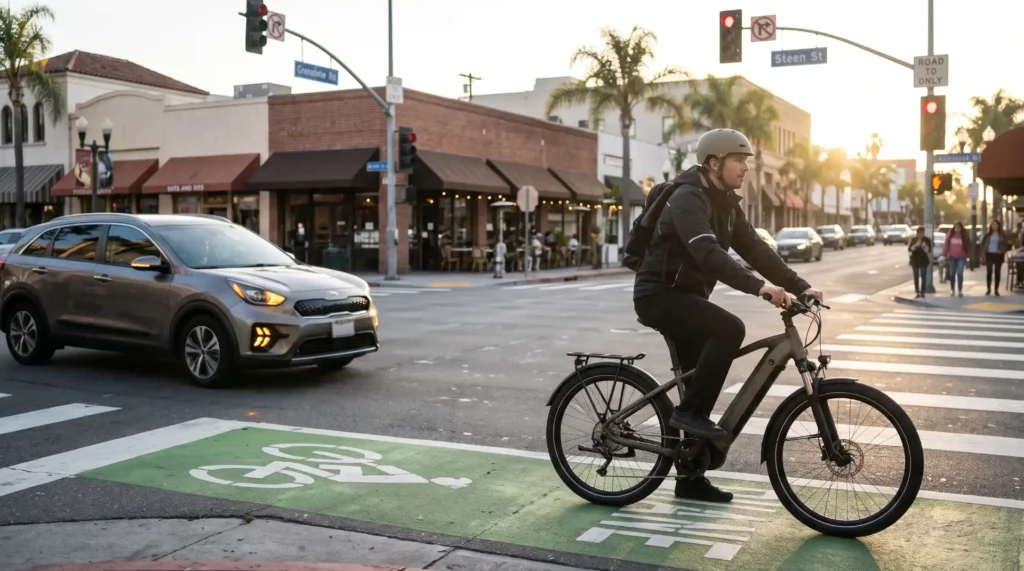
Electric bicycles have transformed transportation throughout California. From daily commutes in Los Angeles and San Diego to neighborhood trips in Sacramento and recreational rides along the coast, e-bikes give people a convenient way to travel without relying entirely on a car. They can make hills easier to climb, reduce the effort required for longer journeys, and help more people participate in cycling.
However, the rapid growth of e-bike use has also raised important questions about speed, rider age, equipment standards, pedestrian safety, and responsibility when collisions occur. California has responded with laws intended to distinguish conventional electric bicycles from more powerful motorized devices, improve consumer protections, and clarify the rules that riders, retailers, and manufacturers must follow.
January 1, 2027, is an important date for California e-bike users because Senate Bill 1167, signed in 2026, takes effect on that date. The legislation strengthens distinctions between legal electric bicycles and higher-powered devices that may fall into a different vehicle category. It also addresses labeling, advertising, and related safety requirements.
For cyclists, parents, e-bike owners, and people injured in bicycle collisions, understanding these developments is important. A device marketed as an e-bike does not necessarily qualify as one under California law. At the same time, a rider’s use of an e-bike does not automatically eliminate the right to seek compensation after a collision.
This guide explains California’s established e-bike classifications, the significant changes affecting 2027, the importance of local rules, and the legal issues that can arise after an e-bike accident. It also discusses practical steps riders can take to reduce crash risks and protect their legal interests if an injury occurs.
Legal note: This article provides general educational information, not individualized legal advice. The applicable requirements can depend on the vehicle, the location, the date of the incident, and the facts of the case. Riders should check the current California Vehicle Code and local ordinances before relying on a particular rule.
Understanding California’s E-Bike Laws Before 2027
Before considering the new rules, it is important to understand how California currently defines an electric bicycle and why the distinction matters.
Under California Vehicle Code Section 312.5, an electric bicycle generally has fully operable pedals and an electric motor that does not exceed 750 watts of power. The law recognizes three principal classes of e-bikes, each with different operating characteristics and restrictions.
These classifications are not simply marketing labels. They help determine whether a device qualifies as an electric bicycle and what requirements apply to its use. A vehicle that exceeds the relevant legal limits or has been modified in a way that takes it outside the statutory definition may be treated differently.
The California Highway Patrol provides an overview of these distinctions in its official guidance on motorcycles and similar vehicles. Riders should also review the applicable statutes when purchasing a new device or modifying an existing one.
Class 1 E-Bikes
A Class 1 e-bike provides motor assistance only while the rider pedals. The motor assistance stops when the bicycle reaches 20 miles per hour.
These bicycles are popular with commuters, recreational riders, and people who want help climbing hills while maintaining a traditional cycling experience. Because the motor assists pedaling rather than independently driving the bicycle through a throttle, the rider remains actively involved in propulsion.
For example, a commuter traveling through a residential neighborhood may use a Class 1 e-bike to climb an incline without arriving at work exhausted. When the bicycle reaches its assisted-speed limit, the rider can continue pedaling, but the motor no longer provides assistance beyond that threshold.
Class 1 status does not mean a bicycle is incapable of traveling faster than 20 mph under every circumstance. A rider may pedal faster under their own power or descend a hill at a higher speed. The classification concerns the motor’s assistance limits, not an absolute maximum speed under all conditions.
Riders should nevertheless adjust their speed to traffic, road conditions, visibility, and the presence of pedestrians.
Class 2 E-Bikes
Class 2 e-bikes can use a throttle to propel the bicycle without requiring the rider to pedal continuously. Their motor assistance is limited to 20 mph under the statutory classification.
This feature makes Class 2 bicycles useful for riders who want to start moving without heavy pedaling, manage certain physical limitations, or travel short distances with less effort.
However, throttle operation can create risks if a rider is unfamiliar with the controls. A sudden increase in power in a crowded parking lot, on a narrow path, or near a pedestrian crossing can lead to a loss of control.
New owners should practice starting, stopping, turning, and braking in a quiet area before entering traffic. They should also understand how the throttle behaves when the bicycle starts from a complete stop.
As with Class 1 models, the fact that a vehicle is advertised as Class 2 does not prove that it actually complies with California’s legal requirements. The motor, speed capability, pedals, and any modifications must be considered.
Class 3 E-Bikes
Class 3 e-bikes provide pedal assistance up to 28 mph and must have a speedometer. They are designed for faster travel and can be particularly useful for longer commutes on suitable roads.
Because Class 3 bicycles can travel at higher assisted speeds, California applies additional requirements. Riders must generally be at least 16 years old, and a properly fitted bicycle helmet is required when operating or riding as a passenger on a Class 3 e-bike in the circumstances covered by California law.
A rider approaching an intersection at 27 mph has less time to respond to a vehicle turning across the bicycle’s path than someone approaching at a much lower speed. Higher speed can also increase the severity of an impact if a collision occurs.
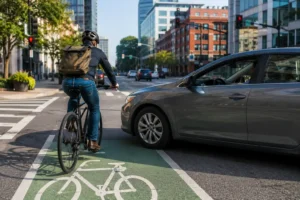
Class 3 riders should therefore pay particular attention to stopping distance, intersection visibility, and the behavior of nearby motorists. They should never assume that a driver has seen them simply because they are traveling in a designated bike lane.
Why the Difference Between an E-Bike and an E-Moto Matters
Some electric vehicles resemble bicycles but have powerful motors, high speeds, or other features that place them outside California’s legal definition of an e-bike.
A vehicle with no fully operable pedals, excessive motor power, or a configuration designed to exceed the permitted limits may be classified as a moped, motorcycle, or another type of motorized vehicle, depending on its specifications and the applicable law.
California’s Department of Justice emphasized this issue in its April 2026 consumer alert about e-bike safety and legal requirements. The alert warned consumers that vehicles capable of exceeding the legal e-bike limits may require different licensing and operating permissions.
Office of the Attorney General+1
This distinction can affect where the vehicle may legally travel, whether the operator needs a license or registration, what equipment is required, and whether a collision involves additional legal questions.
For example, a teenager riding a powerful electric dirt-bike-style device on a public street cannot assume that ordinary bicycle rules apply simply because the retailer advertised it as an e-bike.
Consumers should examine the manufacturer’s specifications, permanent classification label, and intended vehicle category before buying or operating an electric two-wheeler.
What Changes Under California’s New E-Bike Laws for 2027?
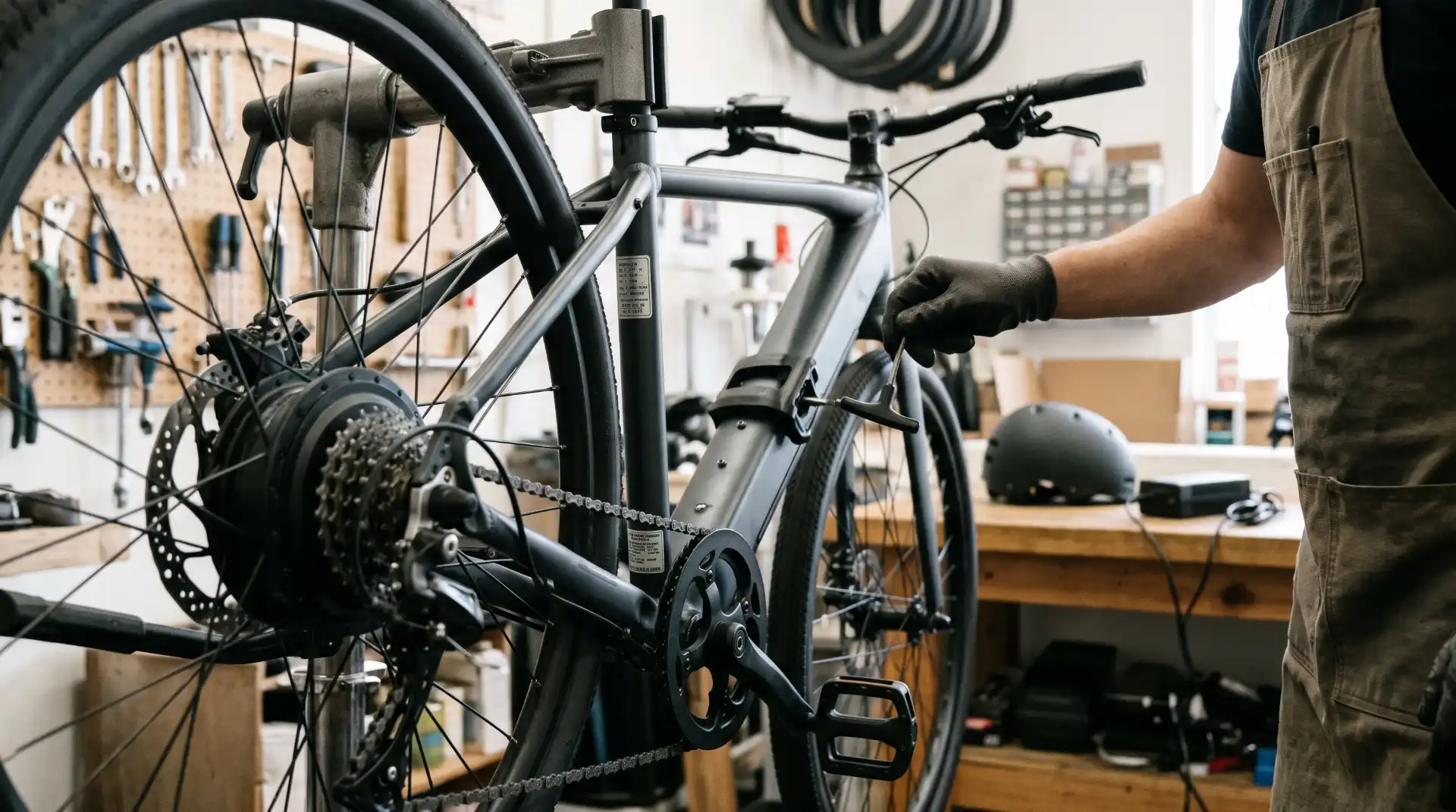
The most important development for 2027 is Senate Bill 1167, which was signed in September 2026 and takes effect January 1, 2027. Its purpose is to clarify the distinction between qualifying e-bikes and other electric vehicles while strengthening requirements for how certain devices are classified, labeled, and marketed.
The changes matter to manufacturers and retailers, but they also affect consumers who need to determine whether their equipment complies with California law. For accident victims, accurate vehicle classification can become relevant when investigators examine the device involved in a collision.
1. Stronger Distinctions Between E-Bikes and Higher-Powered Vehicles
The new legislation reinforces the importance of distinguishing electric bicycles from more powerful electric vehicles that may fall under moped or motorcycle rules.
This distinction addresses a common source of confusion: some products look like bicycles but have the power, speed capability, or construction of motorized vehicles. A retailer’s product description does not override the legal definition.
California’s existing framework already establishes limits for motor power and motor-assisted speed. The 2027 changes strengthen the legal and consumer-protection framework surrounding these distinctions.
For buyers, the practical lesson is to check the specifications before purchasing a vehicle, especially when a listing advertises unusually high speeds, substantial motor output, or the ability to operate without pedaling.
For parents, this check is particularly important when purchasing an electric vehicle for a teenager. A product that resembles a conventional bicycle may not be subject to the same rules as a legally classified e-bike.
2. E-Bike Labels and Consumer Information
Product labels help riders identify the class of bicycle they own, its top assisted speed, and its motor wattage. These details can help consumers understand the vehicle’s intended operating limits and evaluate whether the product is appropriate for their needs.
California already requires permanent classification labeling for electric bicycles. SB 1167 strengthens the requirements concerning classification, manufacturer information, and how products are represented to consumers. The new framework also addresses misleading marketing and the sale of devices that do not comply with the relevant requirements.
California Senate District 38+1
A clear label can be especially important when a bicycle is sold secondhand. A buyer might otherwise rely on a previous owner’s description, an online advertisement, or an assumption based on the bicycle’s appearance.
Before purchasing a used e-bike, consumers should inspect the label, compare it with the manufacturer’s specifications, and ask whether the bicycle has been modified. If the label is missing or the specifications appear inconsistent, the buyer should seek clarification rather than assume the vehicle is legal.
Riders should keep purchase records, manufacturer information, and documentation about any authorized repairs or replacements. These records may help resolve questions about the bicycle’s original configuration if a dispute later arises.
3. Requirements for Manufacturers, Retailers, and Advertisements
E-bike regulations are not limited to what riders do on public roads. Manufacturers and sellers also have responsibilities concerning the products they produce, advertise, distribute, or offer for sale.
A product should not be represented as a compliant e-bike if its design or configuration places it outside the legal definition. Advertising can create confusion when sellers use familiar terms such as electric bicycle, commuter e-bike, or high-speed e-bike without explaining the vehicle’s actual legal classification.
The 2027 framework strengthens consumer protections by addressing the information supplied with these products and the accuracy of their classification.
For a consumer, this means that a seller’s assurances should not replace independent verification. Check the actual specifications and ask for written documentation when a product’s legal status is uncertain.
For accident investigators, purchase records and advertising materials may help establish what the buyer was told about the vehicle. Such information does not automatically establish fault for a collision, but it may be relevant when the legal status, design, or condition of the vehicle is disputed.
4. E-Bike Information in Law Enforcement Reports
California’s new legislative framework also addresses the recording of e-bike classification information in law enforcement incident reports. This can improve the documentation available when an incident involves a device whose legal classification is important.
California Senate District 38
Accurate information can help distinguish an ordinary bicycle collision from an incident involving a vehicle that may be subject to different operating requirements.
For instance, suppose a rider is struck at an intersection while operating an electric two-wheeler advertised as a Class 3 e-bike. Investigators may need to determine whether it actually meets the Class 3 definition, whether its motor was modified, and whether the rider was complying with applicable operating rules.
A classification label, photographs, purchase records, and manufacturer specifications can help answer these questions.
However, a police report is not necessarily the final word on legal liability. It is one source of evidence, and its conclusions may be reviewed alongside witness accounts, photographs, video, physical evidence, and expert analysis.
5. Existing Battery and Electrical Safety Requirements Remain Important
Not every important e-bike rule begins in 2027. California has also enacted measures addressing the safety of e-bikes, powered mobility devices, batteries, and charging systems.
Senate Bill 1271 established safety-related testing and certification requirements for covered products sold in California beginning in 2026. Its provisions address concerns such as electrical malfunctions and battery fires. Certain additional rental requirements are scheduled to take effect in 2028.
California Highway Patrol+1
These requirements matter because an e-bike can create risks even when it is not involved in a traffic collision. A defective battery, incompatible charger, or damaged electrical component can cause a fire or other hazardous event.
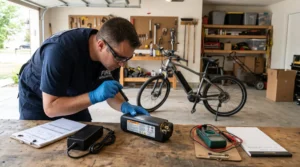
Consumers should use charging equipment approved for their particular battery system, follow the manufacturer’s instructions, and stop using equipment that shows signs of damage or overheating. A battery should not be modified or repaired by someone who lacks the necessary qualifications.
If an electrical defect appears to have contributed to an injury or property loss, retain the product, charger, receipts, photographs, and relevant communications. Avoid discarding or altering potentially important components before the circumstances have been documented, provided they can be stored safely.
6. Do the 2027 Changes Require Every E-Bike Rider to Get a License or Registration?
No general rule requiring every rider of a qualifying California Class 1, Class 2, or Class 3 e-bike to obtain a driver’s license or register the bicycle as a motor vehicle is established simply by the 2027 changes discussed here.
The key issue is whether the vehicle qualifies as an electric bicycle under California law. A vehicle that falls outside the definition may be subject to a different set of requirements.
Riders should not assume that every electric two-wheeler is exempt from licensing or registration simply because it has pedals or is sold by an e-bike retailer. The actual configuration and applicable vehicle category matter.
If a product has been modified to exceed the permitted thresholds, the rider may face legal consequences for operating it without the permissions or equipment required for its actual category.
Before buying a high-powered model, check the current rules with the California DMV or California Highway Patrol. This is particularly important if the seller advertises speeds that exceed the legal assistance limits for a conventional e-bike.
Helmet Requirements, Rider Age, and Where E-Bikes Can Be Used
The correct classification is only one part of California’s e-bike rules. Riders must also understand helmet requirements, minimum ages, and restrictions on where different classes may operate.
These requirements can vary according to the type of bicycle, the rider’s age, and local rules.
Helmet Requirements Under California Law
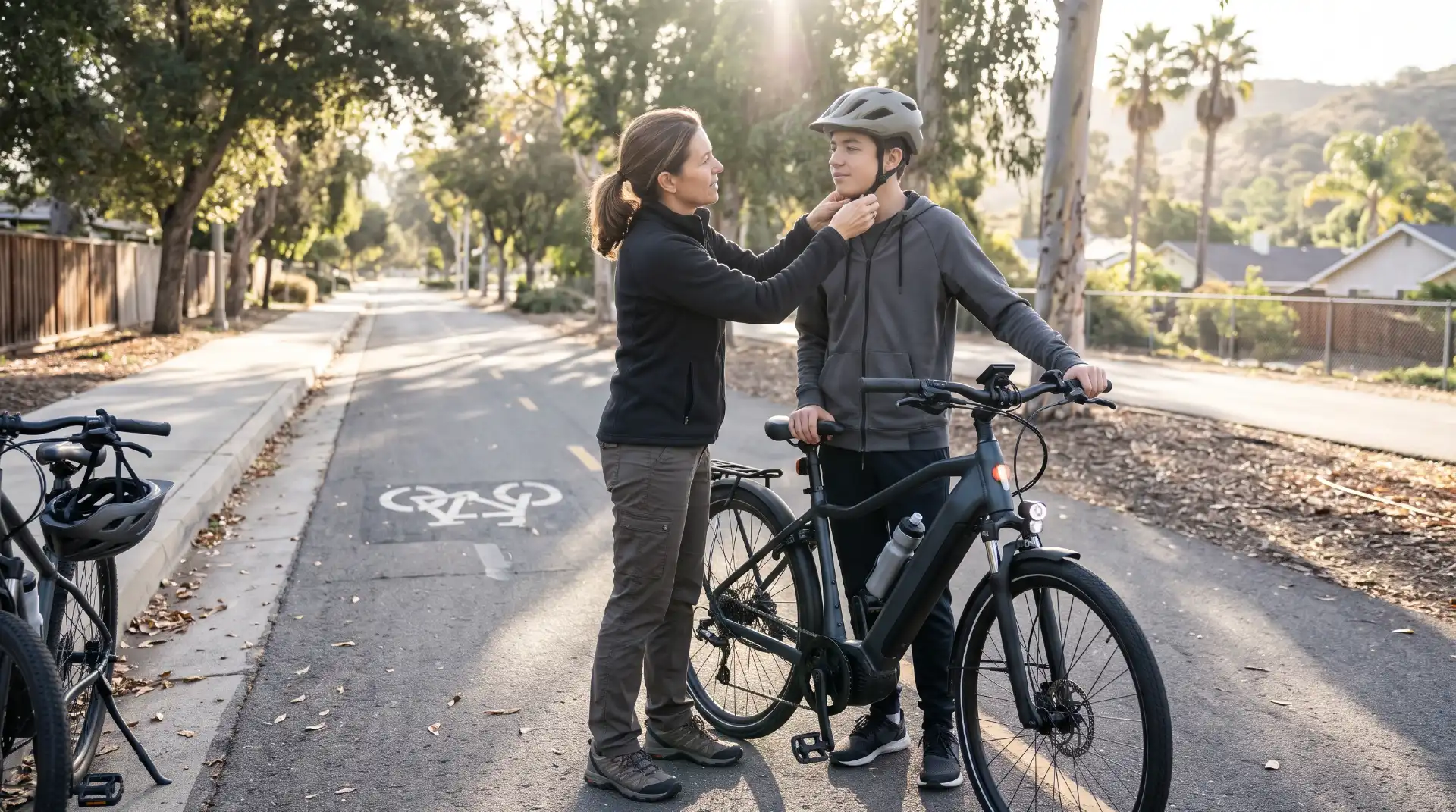
California has specific helmet requirements for Class 3 e-bike riders. Riders must generally be at least 16 years old and wear a properly fitted and fastened bicycle helmet. The applicable helmet requirements also cover passengers riding on Class 3 bicycles in the circumstances described by law.
For other bicycle and e-bike riders, helmet obligations depend on factors such as age and the applicable statutory provisions. Local rules may impose additional requirements.
Even when a helmet is not legally required for a particular adult rider, wearing one is a sensible precaution. A helmet can reduce the risk of certain head injuries, although it cannot prevent every concussion or traumatic brain injury.
A properly fitted helmet should sit level on the head, cover the appropriate area, and remain secure when the rider moves. The straps should be adjusted according to the manufacturer’s instructions.
After a significant impact, a helmet may need to be replaced even if visible damage is limited. Follow the manufacturer’s guidance on impact damage and replacement.
Age Restrictions for Class 3 E-Bikes
California generally prohibits anyone under 16 from operating a Class 3 e-bike.
Parents should verify the bicycle’s class before allowing a child or teenager to ride it. An adult’s permission does not override a statutory age restriction.
It is also important to distinguish statewide requirements from local pilot programs. California has authorized certain jurisdictions to adopt additional e-bike restrictions under specific programs. For example, state legislation has permitted age-related restrictions involving certain e-bike classes in Marin County and San Diego County.
California DMV
Families should therefore review the rules for the actual city, county, school grounds, park, or trail where the bicycle will be used.
Can E-Bikes Use Bike Lanes and Shared Paths?
The answer depends on the e-bike’s class and the rules governing the particular facility.
California generally treats qualifying e-bikes as bicycles for many road-use purposes, but that does not mean every e-bike is allowed on every trail or pathway.
Class 3 e-bikes face restrictions on certain bicycle paths, bikeways, and trails. Class 1 and Class 2 e-bikes may also be restricted by local ordinance in some locations.
A city may have rules governing access to parks, shared-use trails, waterfront paths, or other facilities. A trail that permits ordinary bicycles may not necessarily permit every type of electric bicycle.
Before riding an unfamiliar route, check posted signs and the local government’s current transportation or parks guidance. Do not assume that a route is open to a particular e-bike class because other cyclists are using it.
Traffic Laws Apply to E-Bike Riders
California Vehicle Code Section 21200 generally subjects people riding qualifying e-bikes to the rules that apply to bicycle riders.
That means e-bike riders must take applicable traffic signals, stop signs, right-of-way rules, and safe-passing requirements seriously. They must also ride in a manner consistent with the rules applicable to their location and vehicle type.
Motorists have responsibilities as well. Drivers must take reasonable care around cyclists, comply with applicable passing requirements, and avoid dangerous turns or movements that put riders at risk.
A collision does not become the cyclist’s fault simply because the person was riding an e-bike. Liability depends on the evidence and the conduct of everyone involved.
How California’s E-Bike Laws Affect Accident Victims
Understanding the law before a crash can help riders make safer choices. Understanding it afterward can be equally important because an e-bike collision may involve questions about negligence, vehicle classification, insurance, product safety, and the injuries sustained.
The central issue in most personal injury cases is whether another party’s wrongful conduct caused or contributed to the harm. Violating an e-bike rule may be relevant to that analysis, but it does not automatically determine the outcome.
Does Riding an E-Bike Affect Your Right to Compensation?
An injured e-bike rider may have a claim if a negligent driver, another cyclist, a property owner, or another responsible party caused the collision.
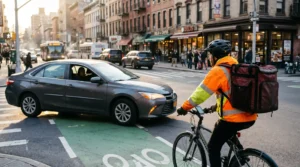
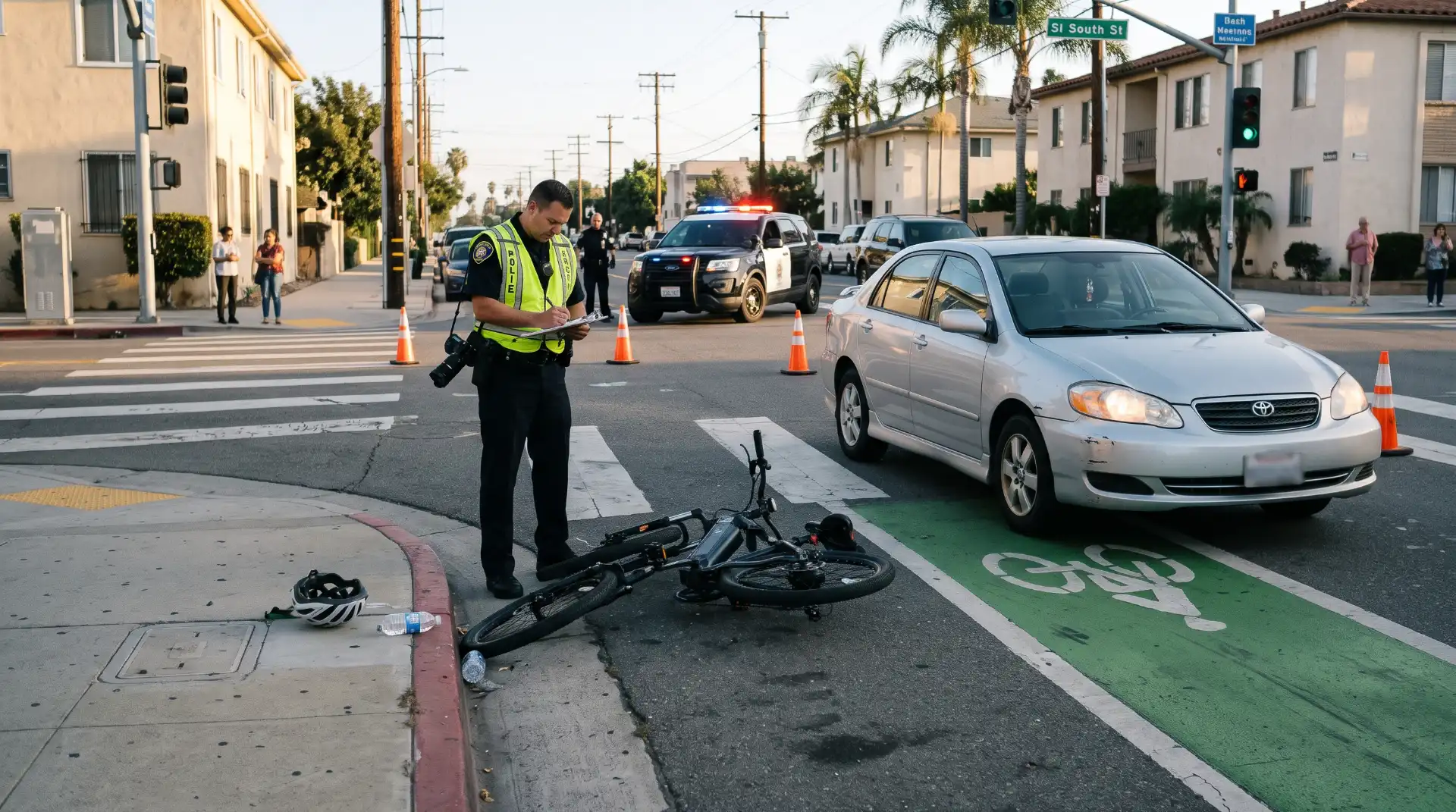
For example, imagine a driver turns left across a designated bike lane without checking for approaching traffic. An e-bike rider traveling through the intersection is struck and suffers a fractured wrist and a concussion.
The driver may have breached a duty of care by failing to yield or by making an unsafe turn. The rider’s use of an e-bike does not, by itself, prevent the rider from pursuing a personal injury claim.
Investigators would examine the traffic signals, the driver’s movements, the rider’s speed, visibility, witness statements, and other available evidence. If the rider was operating a qualifying e-bike lawfully, that fact may help clarify the applicable rules, but the ultimate liability determination depends on the circumstances.
The situation could become more complicated if the bicycle had been modified to exceed its permitted limits or if the rider violated a relevant traffic rule. Even then, the violation does not necessarily mean that the rider has no claim.
Can an E-Bike Rider Be Partially at Fault?
Yes. California generally follows a system of pure comparative negligence.
Under this system, an injured person may recover damages even when their own negligence contributed to the accident, although the award is reduced according to their share of responsibility.
Suppose an e-bike rider sustains $100,000 in legally recoverable damages after a collision. If the evidence establishes that the driver was 80% responsible and the rider was 20% responsible, the rider’s recovery could be reduced to $80,000.
This example is illustrative only. Actual damages, fault percentages, available insurance, and other legal issues depend on the facts of the case.
Relevant factors might include whether the rider was traveling at an unreasonable speed for the conditions, entered an intersection against a signal, or used a prohibited trail. Investigators must also consider whether the driver was speeding, distracted, failing to yield, or otherwise negligent.
A rider should not assume that a claim is worthless because an insurer alleges partial responsibility. The evidence should be reviewed as a whole.
What If the E-Bike Was Modified?
A modified e-bike can raise two separate questions: whether the device complies with California’s vehicle laws and whether the modification contributed to the collision.
For example, a rider might purchase a bicycle labeled as Class 2 and install an aftermarket controller that permits speeds beyond the applicable legal limits. The modification could affect the vehicle’s classification and the rules governing its operation.
If a collision later occurs, investigators may examine the controller, motor specifications, speed settings, maintenance history, and any evidence showing the bicycle’s condition before the crash.
However, an unlawful modification does not automatically establish that the rider caused the collision. A driver who negligently runs a red light may still be responsible for a resulting crash. The modification’s relevance depends on the connection between the conduct, the legal requirements, and the injury.
Riders should preserve their bicycle’s original specifications and service records. If an accident occurs, avoid changing the vehicle’s configuration before relevant evidence has been documented.
What If a Defective E-Bike Caused the Accident?
Some e-bike accidents involve potential product defects rather than, or in addition to, negligent road users.
A defective braking system might fail during an emergency stop. A throttle might engage unexpectedly. A battery or electrical component could malfunction, or a frame component might break during ordinary use.
Depending on the circumstances, a manufacturer, distributor, retailer, repair business, or another party in the product’s supply chain may face legal responsibility.
Product liability cases can involve different legal theories, including design defects, manufacturing defects, and failures to provide adequate warnings or instructions. The specific requirements vary with the claim and the evidence.
A rider who suspects a product defect should preserve the bicycle, damaged components, charger, receipts, warranty information, and maintenance records. Photographs of the device and its condition immediately after the incident can also be useful.
Do not attempt to repair or disassemble a potentially defective component simply to demonstrate what happened. Changes can destroy evidence or introduce uncertainty about the original condition. If a battery is damaged or unsafe, prioritize fire and electrical safety and obtain qualified assistance with its storage and handling.
What to Do Immediately After an E-Bike Accident in California
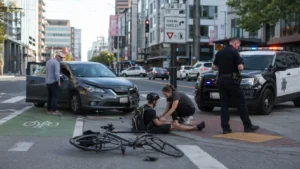
The actions taken after a collision can affect both physical recovery and the ability to document what happened. Riders should prioritize medical needs first and collect evidence only when doing so is safe.
1. Get Medical Attention
Call 911 when someone has a serious injury, loses consciousness, has difficulty breathing, or may have suffered a major head, neck, spinal, or internal injury.
Even if the rider initially feels well, medical assessment may be appropriate. Adrenaline can temporarily mask pain, and symptoms of a concussion or other injuries may appear later.
Follow the treatment recommendations provided by healthcare professionals. Keep copies of medical records, discharge instructions, prescriptions, bills, and referrals for follow-up care.
For more information about the importance of prompt treatment, see Why You Should Always Seek Medical Attention After a Bike Accident.
2. Report the Collision and Record the Details
When a collision involves a motor vehicle, a serious injury, or other circumstances requiring a report, contact the appropriate authorities.
Provide accurate information about what happened. If the e-bike’s classification is uncertain, explain what is known without guessing about its legal status.
If you can safely do so, record the location, date, time, weather, road conditions, traffic signals, and direction in which each person was traveling.
Obtain the other driver’s contact and insurance information when possible. Ask witnesses for their names and contact details, but do not argue about fault at the scene.
A police report may document the parties involved, observations, witness information, and other relevant details. It is useful evidence, but it does not necessarily settle every disputed question.
3. Photograph the Scene and Preserve Video Evidence
Photographs can help establish the conditions surrounding a collision. If it is safe and practical, photograph the damaged e-bike, the other vehicle, the roadway, traffic signs, skid marks, debris, and visible injuries.
Take wider photographs showing the intersection or roadway layout as well as closer images of specific damage. The position of a vehicle relative to a bike lane or crosswalk may become important later.
If the e-bike has a camera or the rider was wearing a helmet camera, preserve the original footage. Ask nearby businesses or witnesses whether relevant video exists, because some recording systems overwrite footage after a short period.
For additional guidance, read The Importance of Gathering Evidence After a Bike Accident.
Do not edit original videos or delete files that appear unimportant. Keep backups when possible, and preserve the original files with their timestamps and metadata intact.
4. Preserve the E-Bike and Its Records
In a collision involving an electric bicycle, the device itself may provide important evidence.
Record the manufacturer, model, class label, motor wattage, and any visible modifications. Keep purchase receipts, online listings, warranty documents, repair invoices, and communications with the seller or manufacturer.
If the accident involved a mechanical or electrical failure, preserve the relevant parts and avoid unnecessary changes before the device has been examined.
This information can help establish whether the bicycle was a qualifying e-bike, whether its equipment was functioning properly, and whether a product defect or modification may have contributed to the incident.
5. Keep Track of Medical Costs, Lost Income, and Other Losses
Accident-related expenses can continue long after the initial emergency treatment. Keep an organized record of hospital bills, physician visits, medication, physical therapy, rehabilitation, and other reasonable expenses related to the injury.
If you miss work, retain pay statements, employer records, and documentation of time away from your job. If the injury affects your ability to perform your usual work, records from healthcare professionals may help establish the extent of that limitation.
Also document bicycle repair or replacement costs and other property damage. Keep receipts for reasonable out-of-pocket expenses associated with the collision.
A written record of pain, sleep difficulties, mobility limitations, and changes to everyday activities may help describe the effect of the injury. Keep the record factual and consistent with the medical information available.
For a broader discussion of injuries commonly sustained in bicycle collisions, see Bike Accident Injuries: Understanding Common Types and Treatment Options.
6. Be Careful When Communicating With Insurance Companies
An insurance adjuster may request a statement, photographs, medical information, or documentation of the accident.
Provide accurate information, but do not guess about details you cannot remember. Avoid making assumptions about the vehicle’s speed, the other party’s intentions, or the cause of the collision before the evidence has been reviewed.
Be cautious about signing broad medical authorizations or accepting a settlement before understanding the extent of your injuries and potential future treatment needs.
A settlement can resolve claims covered by the agreement, so it is important to understand its terms before accepting payment. When injuries are serious, liability is disputed, or a product defect is suspected, consulting a California personal injury attorney may help clarify the available options.
How Liability Is Determined in California E-Bike Accident Claims
E-bike accident claims can involve several potentially responsible parties. Identifying the correct party requires examining how the collision occurred, what safety obligations applied, and whether a particular action or omission contributed to the injury.
Negligent Drivers
Motorists may be responsible for e-bike collisions when they fail to exercise reasonable care. Common examples include distracted driving, speeding, unsafe turns, failure to yield, opening a car door into a cyclist’s path, and passing too closely.
Consider a driver who overtakes an e-bike on a narrow street and turns right across the rider’s path without checking the blind spot. The rider strikes the side of the car and suffers a broken collarbone.
Investigators would consider the driver’s actions, the rider’s position, traffic conditions, applicable passing rules, and any available video. The fact that the bicycle was electric would be only one part of the investigation.
Negligent Cyclists and Other Road Users
E-bike riders also have a responsibility to operate their bicycles safely. A rider who ignores a traffic signal, travels recklessly through a crowded pedestrian area, or loses control because of careless operation may be held responsible for resulting injuries.
For example, an e-bike rider traveling too quickly through a busy shared-use path may strike a pedestrian who is crossing the route. Depending on the circumstances, the pedestrian could have a claim against the rider.
The analysis should consider the actual conduct of each party rather than assume that one type of road user is always responsible.
Government Entities and Dangerous Road Conditions
Some crashes result from road hazards, damaged pavement, unsafe drainage grates, missing signs, or poorly maintained bicycle infrastructure.
A government entity may potentially be liable if a dangerous public property condition meets the applicable legal requirements. However, these claims are subject to special rules, defenses, and procedural deadlines.
In California, claims against public entities generally have specific administrative claim requirements, and the time to act may be much shorter than the ordinary deadline for a personal injury lawsuit. A person injured because of a suspected public roadway defect should promptly obtain legal advice rather than assume the usual filing period applies.
Manufacturers and Repair Businesses
If defective brakes, a malfunctioning throttle, a failed component, or improper repairs contributed to the accident, a product manufacturer or service provider may be relevant to the investigation.
These cases may require technical examination of the bicycle and its components. An engineer or other qualified expert may be needed to determine whether a failure occurred and whether it contributed to the collision.
It is important to distinguish a product defect from ordinary wear, inadequate maintenance, or damage caused during the accident. The cause must be established through evidence rather than assumptions.
How Long Do You Have to File an E-Bike Injury Claim?
California generally provides a two-year statute of limitations for personal injury lawsuits, measured from the applicable date under the law. However, exceptions can affect when the period begins or how much time is available.
Claims involving public entities can require an administrative claim to be presented within six months for many personal injury matters. Special rules may apply to minors, delayed discovery, and other circumstances.
Because missing a deadline can jeopardize a claim, injured cyclists should not wait until treatment is complete to investigate their legal options. Early advice can help identify applicable deadlines and preserve evidence.
Practical Ways to Reduce E-Bike Accident Risks in 2027
Understanding the law is only one part of safe riding. Good equipment, responsible speed choices, and awareness of traffic conditions can reduce the likelihood of a serious collision.
Choose the Right E-Bike for Your Needs
Before purchasing an e-bike, verify its class, motor power, assisted-speed limit, and permanent label. Buy from a reputable retailer that can explain the product’s legal classification and provide accurate documentation.
Be cautious of advertisements promising exceptionally high speeds or easy modifications. A product that appears inexpensive or powerful may create legal and safety problems if it does not qualify as a lawful e-bike.
Avoid Unauthorized Speed Modifications
Do not install controllers, motors, or aftermarket devices that cause a bicycle to exceed its permitted limits. Modifications can affect braking performance, handling, component durability, and the vehicle’s legal classification.
A bicycle designed for ordinary commuting may not have the brakes, tires, frame, or other components necessary for safe operation at substantially higher speeds.
Keep the bicycle within its intended operating limits and follow the manufacturer’s maintenance recommendations.
Inspect Brakes, Tires, Lights, and Batteries
Before riding, check that the brakes engage properly, the tires are inflated to the recommended pressure, and the wheels and steering components appear secure.
Make sure the front and rear lighting equipment is functional when needed, particularly for nighttime riding or low-visibility conditions. Reflective clothing and additional visibility equipment can help drivers notice cyclists, although no equipment guarantees that a driver will see them.
Inspect the battery and charger for damage, and use only compatible charging equipment. Stop using components that appear damaged, unusually hot, swollen, or otherwise unsafe.
Ride at a Speed Appropriate for Conditions
Even a legally compliant Class 3 e-bike can be dangerous when ridden too quickly for the surroundings.
Reduce speed near intersections, parked cars, driveways, crowded paths, and areas where pedestrians may enter the roadway. Allow enough space to brake safely and avoid sudden movements that could surprise nearby road users.
Remember that a motor-assisted speed limit is not a recommended speed for every situation. Safe operation depends on visibility, road conditions, traffic, and the rider’s ability to stop.
Teach Young Riders About Traffic and E-Bike Rules
Parents and guardians should explain traffic signals, right-of-way, pedestrian safety, and the importance of staying alert.
Children and teenagers should practice braking and turning in a controlled environment before riding near moving traffic. Parents should also verify that the bicycle’s class is appropriate for the rider’s age and that local rules permit its use.
A helmet, suitable protective equipment, and clear family rules can support safer riding habits, but supervision and responsible decision-making remain important.
Frequently Asked Questions About California’s 2027 E-Bike Laws
When do California’s new e-bike laws take effect?
Senate Bill 1167 takes effect January 1, 2027. It strengthens the framework distinguishing legal e-bikes from other electric vehicles and addresses classification, labeling, advertising, and related safety requirements. Riders should check the final statutory language and current official guidance for details applicable to their particular vehicle.
Do all California e-bikes need license plates in 2027?
The 2027 changes discussed in this article do not establish a blanket license-plate requirement for every qualifying Class 1, Class 2, and Class 3 e-bike. A vehicle that falls outside the legal e-bike definition may be subject to different registration and equipment rules. Verify the actual classification before relying on an exemption.
Can a person under 16 ride an e-bike in California?
The general statewide rule prohibits people under 16 from operating Class 3 e-bikes. Different rules apply to Class 1 and Class 2 bicycles, although local ordinances and authorized pilot programs may impose additional restrictions.
Can I sue if I was injured while riding an illegally modified e-bike?
Potentially. An unlawful modification does not automatically eliminate every possible personal injury claim. The effect depends on the facts, the applicable law, and whether the conduct contributed to the accident. A lawyer can assess the evidence and explain how comparative negligence or other legal issues may affect a claim.
What if a driver says the accident was my fault because I was riding an e-bike?
The vehicle’s classification alone does not determine fault. Evidence such as traffic signals, video footage, witness accounts, vehicle damage, and road conditions can help establish what happened. California’s comparative negligence rules may allow recovery even when an injured rider shares some responsibility.
Should I keep my e-bike after an accident?
If the bicycle may provide evidence of a mechanical failure, modification, or other disputed issue, preserving it can be important. Avoid unnecessary repairs or disassembly before relevant evidence has been documented. If the battery is damaged or poses a fire risk, follow appropriate safety precautions and seek qualified assistance.
Conclusion: Prepare for California’s E-Bike Rules in 2027
California’s evolving e-bike regulations reflect the need to distinguish conventional electric bicycles from more powerful motorized devices while improving consumer information and safety. With SB 1167 taking effect January 1, 2027, riders and buyers should pay particular attention to vehicle classification, labeling, modifications, and the rules that apply where they ride.
For cyclists, the practical priorities are straightforward: choose a compliant bicycle, understand its class, wear appropriate safety equipment, follow traffic laws, and check local restrictions before using unfamiliar routes.
For accident victims, it is equally important to understand that an e-bike collision can involve multiple legal issues. Negligent driving, unsafe infrastructure, defective components, and rider conduct may all need to be examined. Preserving the bicycle, documenting injuries, collecting available evidence, and obtaining timely legal guidance can help protect a person’s interests.
The most important takeaway is that e-bike classification and accident liability are related but separate questions. A bicycle’s legal status may affect which rules apply, but responsibility for a collision must be assessed using the evidence and the law governing the specific incident.