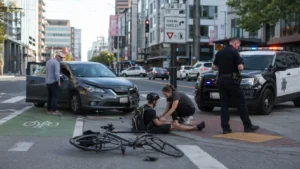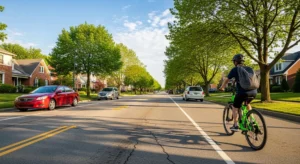
Right-hook bicycle accidents are among the most common intersection crashes involving cyclists in the United States. These accidents happen when a driver turns right across the path of a cyclist traveling straight. In many situations, the cyclist is riding legally in a bike lane or near the right side of the road when the vehicle suddenly cuts across their path with little warning.
These crashes are dangerous because cyclists have limited protection and very little time to react. A rider may strike the side of the vehicle, get pushed into traffic, or fall onto the pavement during the collision. Even lower-speed impacts can cause serious injuries that affect a cyclist for months or years.
As cities continue expanding bike infrastructure and more Americans choose bicycles and e-bikes for commuting, right-hook accidents remain a growing concern. Busy intersections, distracted driving, larger vehicles, and poor visibility can all contribute to these crashes.
Understanding how right-hook bicycle accidents happen may help injured riders recognize important evidence, understand liability issues, and take steps that may protect their rights after a crash.
What Is A Right-Hook Bicycle Accident?
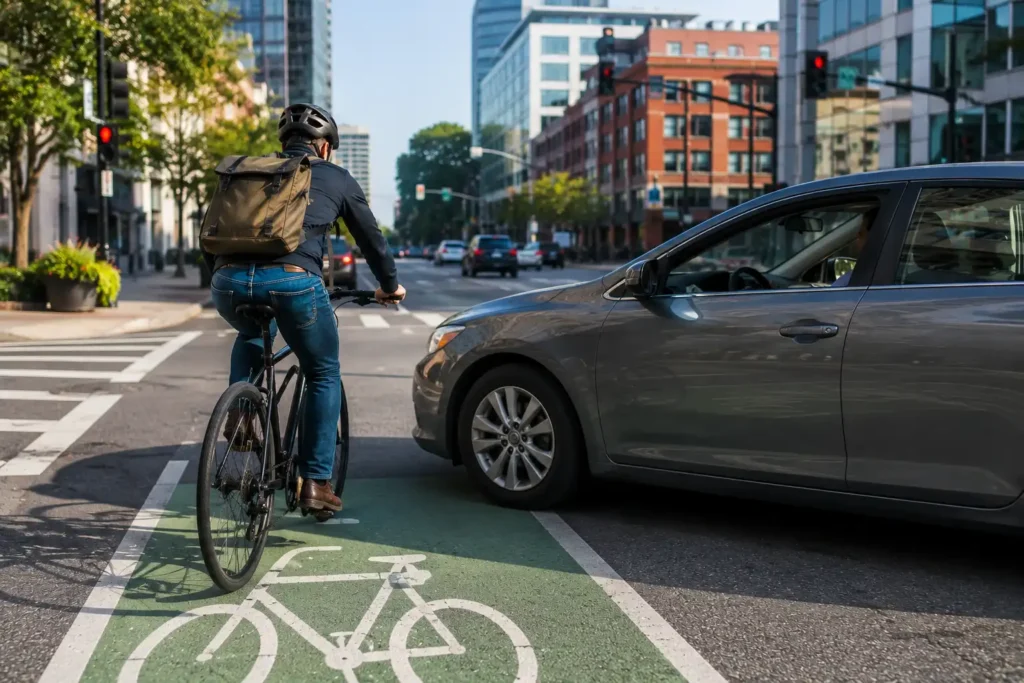
A right-hook bicycle accident occurs when a motor vehicle turns right directly across the path of a cyclist moving in the same direction. The cyclist is often traveling straight while the driver either fails to notice them or misjudges the rider’s speed and position before turning.
This type of crash commonly happens at intersections, driveways, parking lot entrances, and areas where bike lanes run alongside vehicle traffic. The danger usually comes from the sudden movement of the turning vehicle. Cyclists may have only seconds to brake or avoid impact.
In some cases, the driver passes the cyclist first and then immediately turns right. In others, the cyclist rides alongside slow-moving traffic while a driver suddenly cuts across the bike lane.
Many riders assume drivers see them before turning. Unfortunately, that assumption is not always accurate, especially in crowded urban environments where multiple hazards compete for a driver’s attention.
Why Right-Hook Accidents Happen So Often
Intersections are one of the most dangerous areas for cyclists because several types of movement happen at once. Vehicles turn, merge, stop, accelerate, and change lanes while cyclists continue through the intersection.
Drivers sometimes focus heavily on vehicle traffic and fail to look carefully for bicycles. A driver may check for large vehicles approaching from the left while overlooking a cyclist traveling beside the curb or inside a bike lane.
Distraction also plays a role in many crashes. Drivers using navigation systems, looking at phones, adjusting controls, or rushing through traffic may not properly scan mirrors and blind spots before turning.
Visibility problems can make the situation worse. Parked cars, buses, delivery vans, large SUVs, and poor lighting conditions may block a driver’s view of a cyclist approaching the intersection.
In some cases, the design of the roadway itself contributes to the danger. Bike lanes that disappear near intersections or poorly marked turning zones may create confusion for both cyclists and drivers.
The National Highway Traffic Safety Administration identifies turning conflicts and failure-to-yield situations as major factors in bicycle crashes across the country. These patterns are commonly seen in right-hook accidents. (nhtsa.gov)
Common Scenarios In Right-Hook Bicycle Crashes
Many right-hook accidents follow similar patterns. One of the most common occurs when a cyclist travels straight through a green light while a driver in the same direction suddenly turns right across the bike lane.
Another common situation involves drivers attempting to make a quick right turn on red without checking for cyclists approaching from behind or beside the vehicle.
Parking lot entrances and driveways also create danger. Drivers entering shopping centers, gas stations, or apartment complexes may focus on vehicle traffic while failing to notice a cyclist approaching along the roadway.
Delivery vehicles and rideshare pickups can create additional hazards. A cyclist may move around a stopped vehicle only for another car to turn suddenly across the lane.
Larger vehicles such as buses and trucks may create particularly dangerous right-hook situations because their size increases blind spots and turning radius. Cyclists riding beside these vehicles may be difficult for drivers to see.
Why Cyclists Often Have Little Time To React
A right-hook collision can happen very quickly. A cyclist riding at a normal speed may suddenly face a vehicle turning directly into their path. Even experienced riders may not have enough distance to stop safely.
Some cyclists attempt to brake sharply, which can cause the bicycle to slide or throw the rider forward. Others try to swerve left into traffic to avoid impact, creating the risk of a secondary collision.
The angle of the crash also matters. A cyclist may strike the side of the vehicle or become trapped near the rear wheel area during the turn. Larger vehicles increase the danger because of their size and weight.
Road conditions can reduce reaction time even further. Wet pavement, debris, uneven surfaces, poor lighting, and blocked bike lanes may leave cyclists with fewer safe escape options.
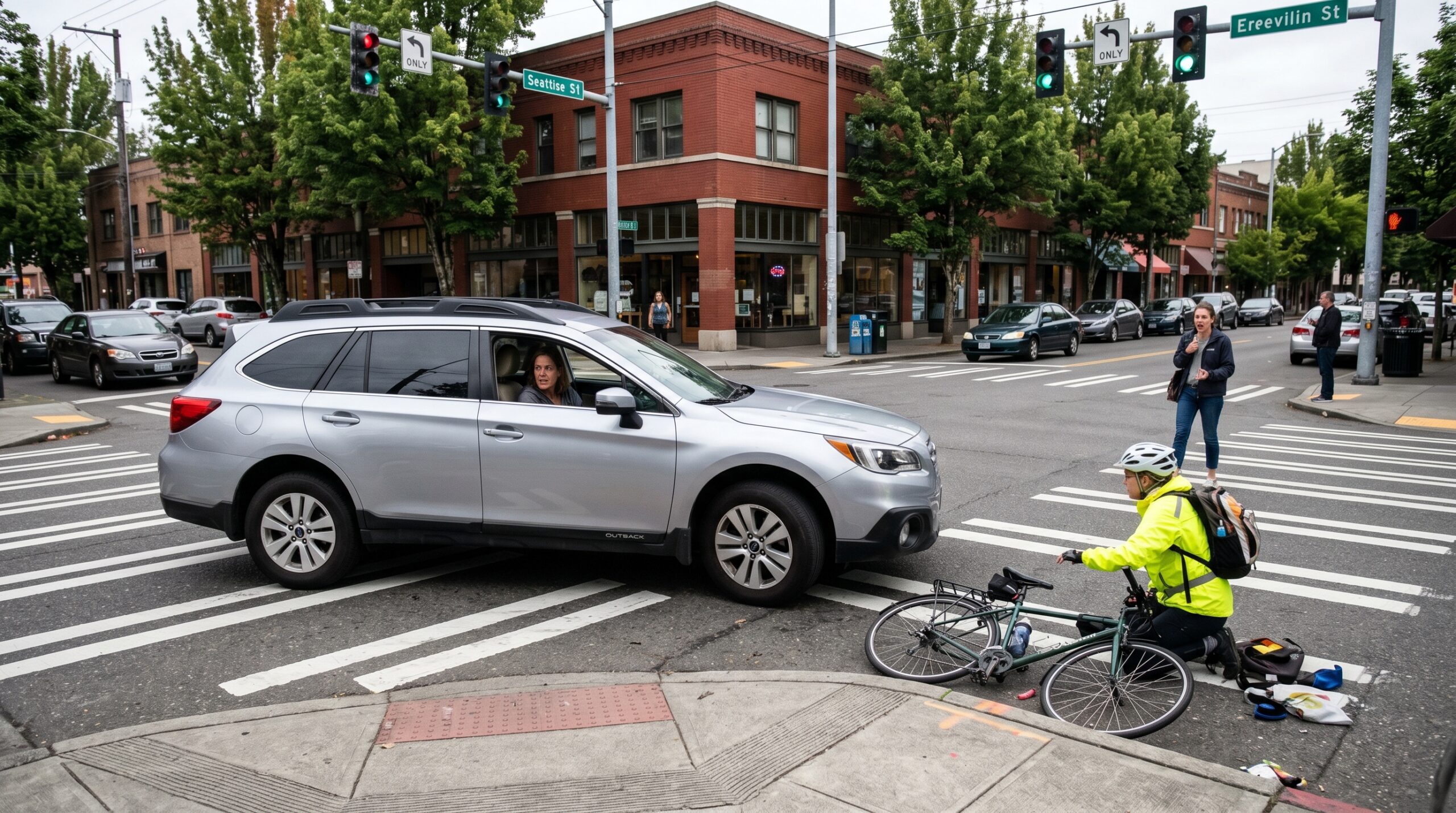
Right-hook bicycle accidents often cause serious injuries because the cyclist absorbs the force of the collision directly. Riders may hit the vehicle, the pavement, nearby objects, or other vehicles in traffic.
Head injuries are common, particularly when the rider lands forcefully after impact. Concussions and traumatic brain injuries may occur even when the cyclist wears a helmet.
Broken wrists, collarbone fractures, shoulder injuries, knee injuries, and facial trauma are also frequently reported after these crashes. Riders often extend their arms instinctively during a fall, which increases the risk of arm and wrist fractures.
Road rash may appear minor at first but can require extensive treatment if deep layers of skin are affected. Some cyclists also suffer spinal injuries, hip fractures, internal bleeding, or long-term nerve damage.
In addition to physical injuries, many riders experience anxiety or fear after returning to the road following a serious intersection crash.
Determining Fault After A Right-Hook Crash
Liability in a right-hook accident depends on the specific facts of the collision. In many situations, the driver may be responsible for turning across the cyclist’s path without yielding.
Drivers generally have a duty to check mirrors, signal appropriately, and confirm that the turn can be completed safely before crossing a bike lane or roadway space occupied by a cyclist.
However, insurance companies may still attempt to shift blame onto the cyclist. They may argue the rider was traveling too fast, failed to obey signals, passed unsafely on the right, or rode outside the designated bike lane.
Because fault can become disputed quickly, evidence from the scene is extremely important. The location of the bicycle, damage to the vehicle, traffic signals, road markings, and witness statements may all help explain what happened.
Some states apply comparative negligence rules, meaning fault can be shared between multiple parties. Even if a cyclist is found partially responsible, they may still have the ability to pursue damages depending on state law.
Evidence That May Help Support A Claim
Strong evidence can make a major difference after a right-hook bicycle accident. Photographs taken immediately after the crash may help preserve details that disappear later.
Pictures of the intersection, bike lane, vehicle position, skid marks, traffic signs, and injuries may help reconstruct the sequence of events. Video footage can be even more valuable.
Helmet cameras, dashcams, business surveillance systems, and traffic cameras sometimes capture the exact moment the vehicle turns across the cyclist’s path.
Witness statements may also clarify whether the driver used a turn signal, whether the cyclist had the right of way, or whether the vehicle crossed the bike lane abruptly.
Medical records help connect the injuries directly to the crash. Documentation of emergency care, imaging scans, physical therapy, and follow-up treatment may help demonstrate the severity of the injuries.
Preserving the damaged bicycle and helmet is also important. The pattern of damage may help explain how the collision occurred.
How Road Design Can Affect Right-Hook Accidents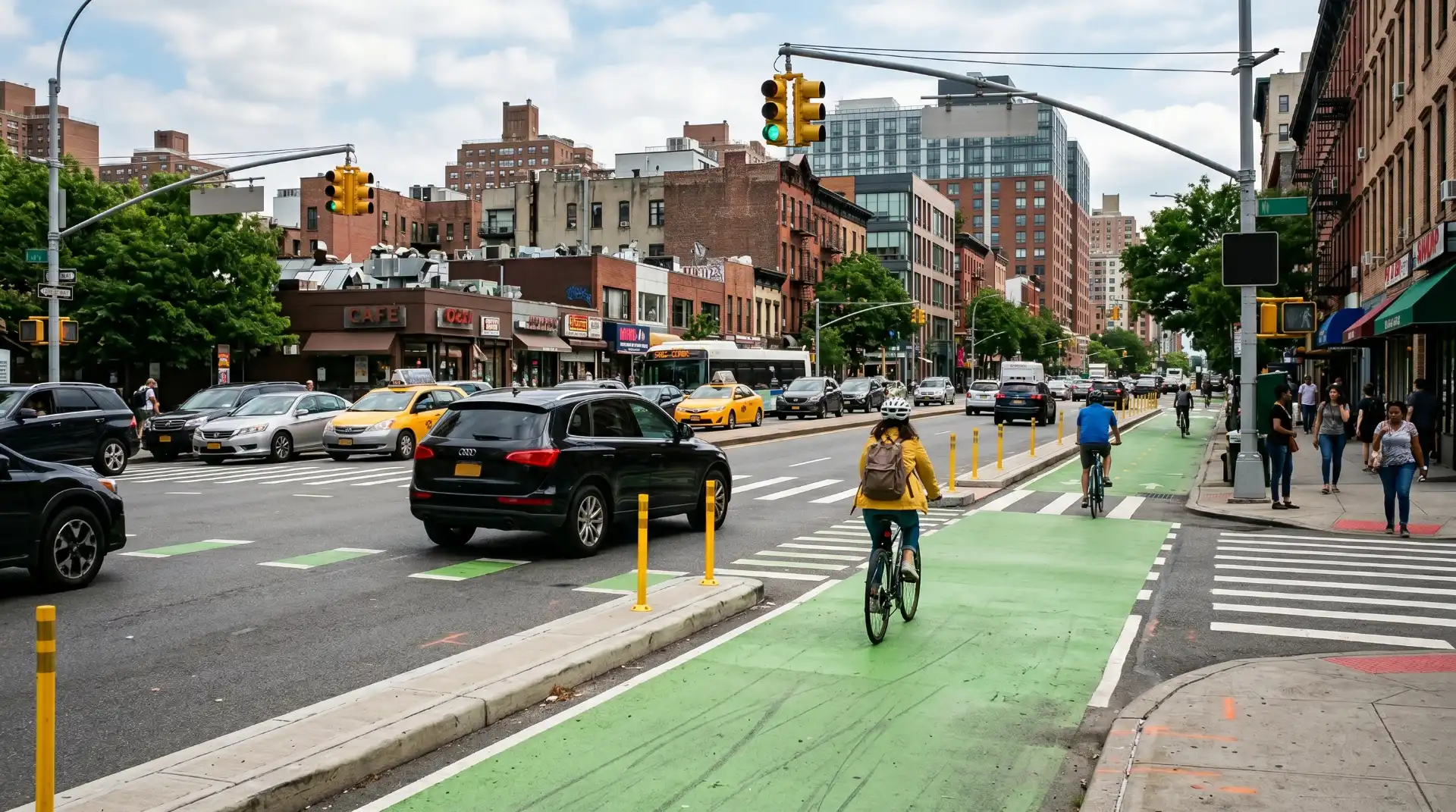
Roadway design can influence the likelihood of a right-hook crash. Some intersections place cyclists directly beside turning vehicles without clear separation or dedicated signals.
Poorly designed intersections may force cyclists into vehicle blind spots or create confusion about who has the right of way. Bike lanes that disappear suddenly near intersections may also increase the risk of conflict between turning vehicles and riders continuing straight.
The Federal Highway Administration recognizes bicycle lanes and separated cycling infrastructure as important safety measures that may reduce conflicts between cyclists and motor vehicles. (highways.dot.gov)
Protected bike lanes, dedicated bicycle signals, and clearly marked turn zones may improve visibility and reduce crash risk in some areas. However, even modern infrastructure cannot eliminate all dangers if drivers fail to pay attention.
Right-Hook Accidents Involving Trucks And Buses
Crashes involving commercial trucks and buses can be especially severe. Large vehicles require more space to turn and often have extensive blind spots near the passenger side.
Cyclists riding beside these vehicles may be difficult for drivers to see, particularly in heavy traffic. A rider traveling straight may suddenly find the truck turning directly across their path.
Commercial vehicle accidents may involve additional evidence such as onboard cameras, GPS tracking data, maintenance records, and driver training logs.
These crashes can become more complex because multiple parties may need review, including the driver, employer, transit agency, or commercial carrier.
Insurance Challenges After A Bicycle Accident
Insurance claims involving bicycle accidents are not always straightforward. Drivers and insurers may dispute visibility, speed, lane position, or traffic signals.
Adjusters sometimes attempt to minimize injuries or argue that the cyclist contributed to the crash. Riders may also face pressure to provide recorded statements shortly after the collision.
Medical expenses can increase quickly after a serious bicycle accident. Emergency transportation, surgery, rehabilitation, imaging tests, and physical therapy may create significant financial strain.
Claims may involve auto liability coverage, uninsured motorist coverage, medical payments coverage, health insurance, or commercial policies depending on the circumstances of the crash.
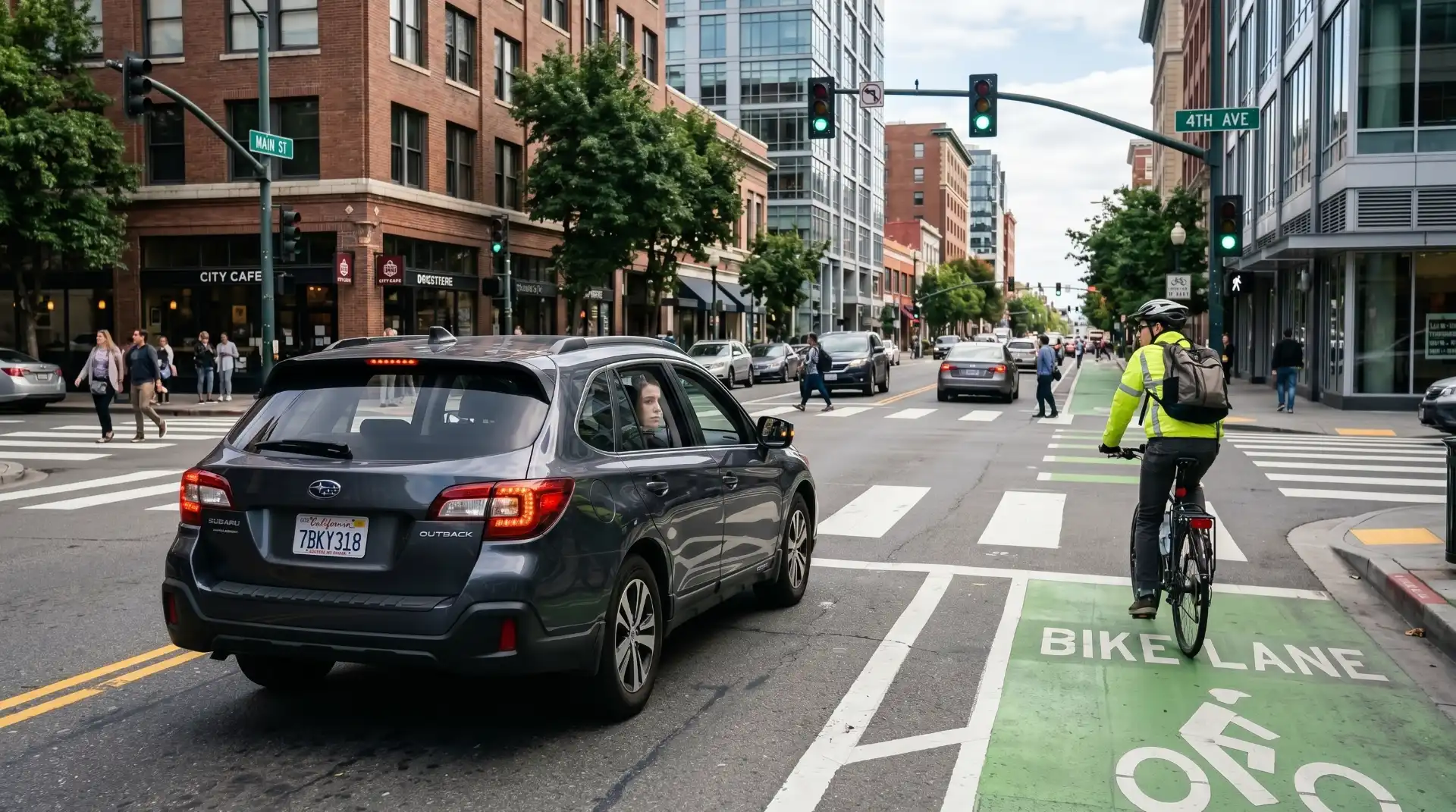
Reducing The Risk Of Right-Hook Bicycle Accidents
Cyclists cannot control driver behavior, but certain habits may improve visibility and reduce risk near intersections.
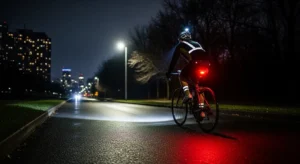
Riders may benefit from using front and rear lights, wearing reflective gear at night, slowing near intersections, and watching closely for vehicles preparing to turn.
Avoiding large vehicle blind spots is also important. Trucks and buses may not be able to see cyclists riding directly beside them.
Drivers also play a major role in preventing these crashes. Taking an extra moment to check mirrors, scan bike lanes, and look over the shoulder before turning may help prevent serious injuries.
Legal Guidance After A Right-Hook Bicycle Accident
Right-hook bicycle accidents can involve complicated questions about traffic laws, visibility, road design, and fault. An investigation may require reviewing camera footage, intersection layout, witness statements, and vehicle movement.
Legal guidance may help injured cyclists understand their options, identify relevant evidence, and handle communication with insurance companies.
Because evidence may disappear quickly, early documentation can be important after a serious crash.
Conclusion
Right-hook bicycle accidents at intersections remain a major safety concern for cyclists throughout the United States. These crashes often happen when drivers turn across a cyclist’s path without properly checking for riders traveling straight through the intersection.
The consequences can be severe, especially when larger vehicles, heavy traffic, or poor visibility are involved. Cyclists injured in these crashes may face medical bills, lost income, long recovery periods, and difficult insurance disputes.
Understanding how these accidents happen and what evidence may help support a claim can make an important difference after a collision.
If you were injured in a right-hook bicycle accident, BikeAccidents.net may help you better understand your legal options and next steps.