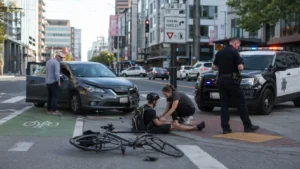
E-bikes are no longer a niche way to get around. They are now part of everyday traffic in neighborhoods, school zones, parks, downtown areas, and busy city streets. That growth has brought convenience, but it has also brought a hard legal reality. E-bike accidents in 2026 are creating more serious injury claims, more disputes over fault, and more concern among families, drivers, schools, and local governments.
One reason this topic is trending is that lawmakers and safety agencies are reacting to how quickly e-bike use has grown. In California, a 2026 safety change now requires an electric bicycle to have a rear red reflector or a solid or flashing rear light with a built-in reflector during all hours of operation, not only at night. That change shows how seriously visibility and collision prevention are being treated. At the same time, federal safety data has shown a sharp rise in micromobility injuries, with children 14 and younger accounting for a disproportionate share of injuries from 2017 to 2022.
That combination matters because many people still underestimate how dangerous an e-bike crash can be. Riders may think they are on “just a bike,” while drivers misjudge speed, distance, and right of way. Some parents buy a fast e-bike for a teen without understanding how different it is from a traditional bicycle. Then a crash happens, and everyone suddenly wants to know the same thing: who is legally responsible?
For a site like BikeAccidents.net, this topic fits naturally with your existing content on cyclist rights, roadway hazards, and how bike accident claims differ from ordinary car crashes. See also Understanding the Legal Rights of Bicycle Accident Victims and How Bike Accidents Differ from Car Accidents.
Why e-bike accidents are getting more attention in 2026
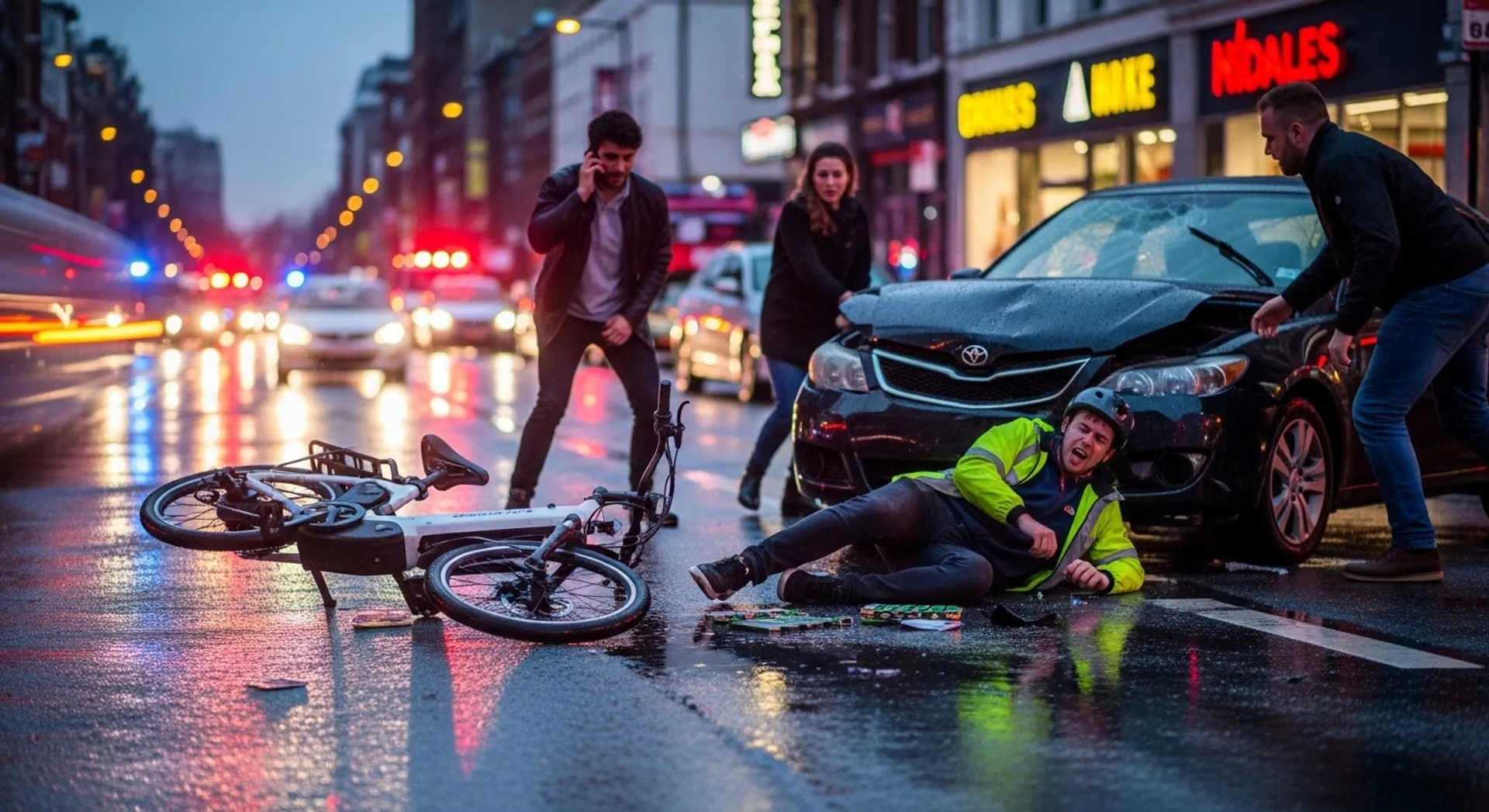
E-bike crashes are receiving more attention because they sit at the intersection of speed, visibility, youth use, and traffic confusion. They do not always look like traditional bike wrecks, and they do not always behave like motorcycle crashes either. That gray area creates problems after a collision.
Teen riders are a major part of the safety conversation
A lot of current concern centers on minors and teenagers. Federal consumer safety data found that children 14 and younger accounted for about 36% of micromobility injuries from 2017 to 2022, even though they made up a much smaller share of the population. Recent California reporting has also highlighted severe injuries involving teens on high-speed e-bikes and similar devices, with doctors and advocates warning that some injuries resemble motorcycle trauma more than ordinary bicycle falls.
Higher speeds change the injury risk
A traditional bicycle crash can cause serious harm, but e-bikes often travel faster and weigh more. That means more force at impact, less reaction time, and a higher chance of head, shoulder, knee, and road rash injuries.
Drivers often misjudge e-bike speed
NHTSA notes that drivers may misjudge the speed of a person on an e-bike. That matters at intersections, driveways, cross streets, and turning points where motorists think they have more time than they actually do.
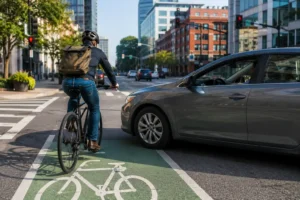
That speed misjudgment can lead to the same kinds of wrecks seen in standard bicycle injury claims: left-turn collisions, right-hook crashes, unsafe passing, and failure-to-yield impacts. The difference is that an e-bike rider may reach the conflict point faster than the driver expects.
New visibility rules show where the legal focus is going
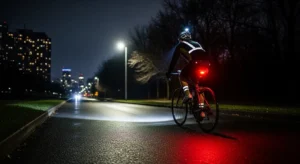
California’s 2026 rule requiring rear reflectors or rear lighting on e-bikes during all hours of operation is not just a technical equipment change. It reflects a broader push toward visibility, rider predictability, and collision prevention. The California Highway Patrol highlighted the change as part of the state’s 2026 public safety laws.
That does not mean every injured rider without the required reflector automatically loses a claim. It does mean insurers may try to use equipment violations to shift blame. They may argue the rider was harder to see, even when the real cause of the crash was a distracted driver, unsafe turn, or speeding vehicle.
Who may be liable and what evidence matters after an e-bike crash
Liability in an e-bike crash usually depends on the specific facts, not the label people casually use for the vehicle. Many cases still come down to simple negligence. A driver fails to yield. A car door opens into the rider’s path. A motorist drifts into a bike lane. But e-bike cases can add extra layers, especially when speed, equipment, modifications, or roadway conditions are involved.
Common liability issues in e-bike accident cases
The most obvious defendant is often the driver. Motorists still owe a duty to watch the road, check mirrors, respect bike lanes, and yield when required. That duty does not disappear because the cyclist is on an e-bike. If a driver hits a rider while turning, merging, or passing too closely, the driver may still bear most or all of the fault.
Negligent drivers remain the main cause in many cases
Many serious bike crashes still start with distracted driving, unsafe lane changes, failure to yield, or following too closely. NHTSA’s bicycle safety guidance stresses that motorists and bicyclists both need to follow the rules of the road, but in vehicle-versus-bike collisions, the rider usually suffers the worst injuries.
Road hazards can matter too. E-bikes may react badly to potholes, broken pavement, metal covers, gravel, and poor road maintenance, especially at higher speeds. That makes a strong internal fit with your article on Urban Cycling Hazards: Potholes, Speed Breakers, and Poor Road Conditions.
Weather and surface conditions also matter more than many riders expect. Rain, slick paint, heat-softened pavement, and reduced traction can worsen both control and injury severity. That gives you another natural internal link to Seasonal Bike Crash Risks: Rain, Ice, and Extreme Heat.
Evidence can decide whether the rider gets blamed unfairly
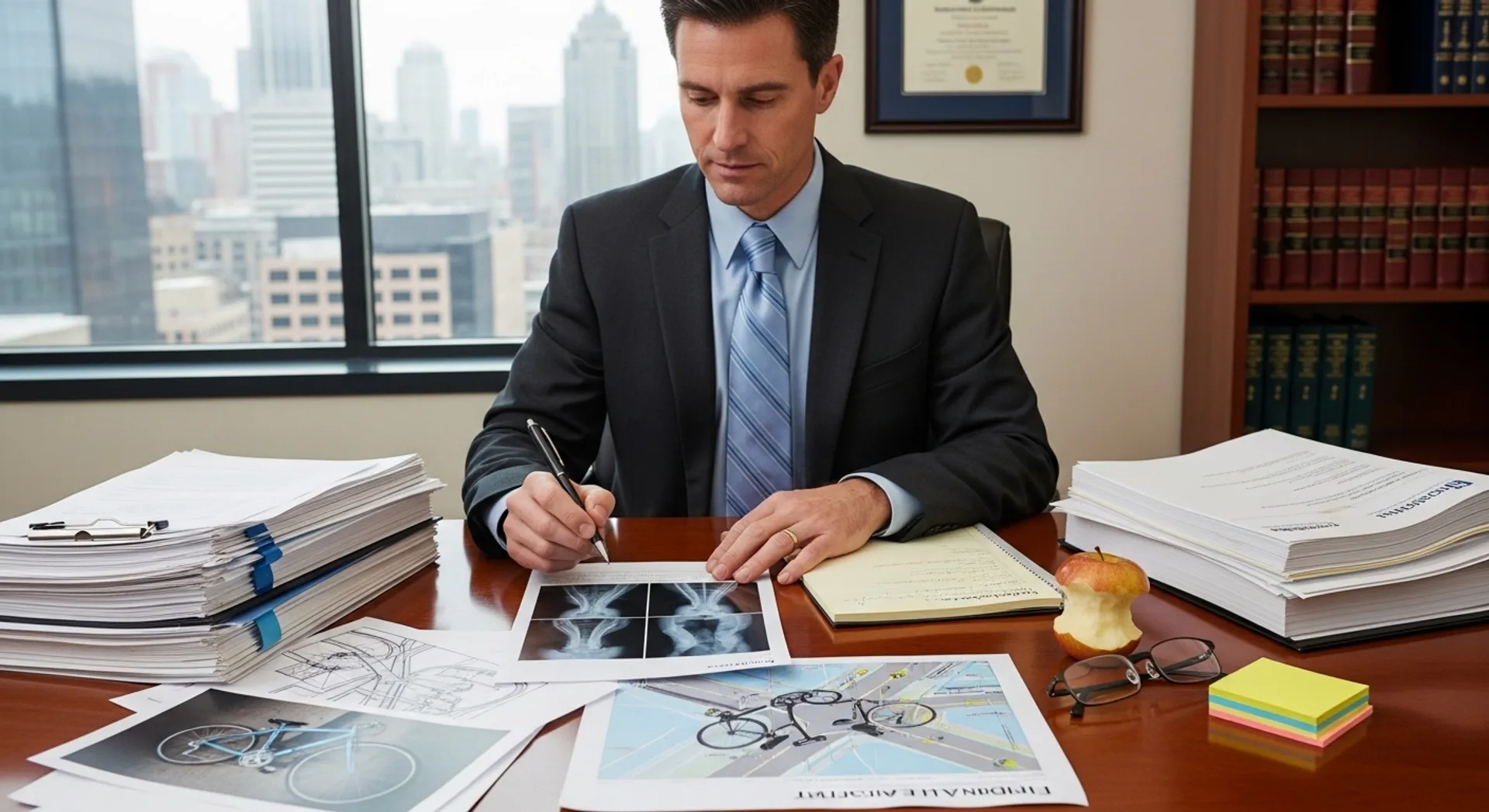
The strongest e-bike cases usually turn on evidence preserved early. Photos of the crash scene matter. So do images of the bike, the road layout, the lighting conditions, and any damage to the vehicle that hit the rider. If the crash happened at an intersection, document lane markings, traffic signs, sight lines, and obstructions.
Video can be even more important. Doorbell cameras, dashcams, business surveillance, and helmet-mounted footage can show whether the rider was traveling predictably or whether a driver made the dangerous move. This is critical because insurers often try to paint e-bike riders as reckless by default.
Vehicle and equipment details should be preserved
Keep records showing the e-bike’s make, model, class, speed capability, lighting setup, and any modifications. If the bike had a rear reflector or legal light, preserve that evidence. If a product defect contributed to the crash or made injuries worse, the bike itself may become important evidence.
Witness statements matter too. A neutral witness can confirm whether the rider had the right of way, whether the driver was speeding, or whether the crash happened because the motorist simply did not look. Medical records also matter from day one. E-bike crashes can cause concussions, fractures, facial injuries, spinal trauma, and long-term pain even when the rider initially thinks they are “mostly okay.”
For outside authority, readers can review general bicycle safety guidance from NHTSA and California’s 2026 e-bike equipment rule summary from the California Highway Patrol. For injury trend data, the U.S. Consumer Product Safety Commission remains a strong authority source.
The bottom line is simple. E-bike accidents 2026 is not just a trending phrase. It reflects a real shift in how bike crashes happen, who gets hurt, and how claims are argued. The legal issues are growing because e-bikes move faster, weigh more, and create more confusion for drivers, families, and insurers.
If an e-bike crash happens, do not let the other side define the story first. Preserve the bike, photograph the scene, gather witness information, save all video, and get medical care immediately. The more serious the injury, the more important it becomes to document not only what happened, but why the rider should not be blamed for a driver’s carelessness or a dangerous roadway.